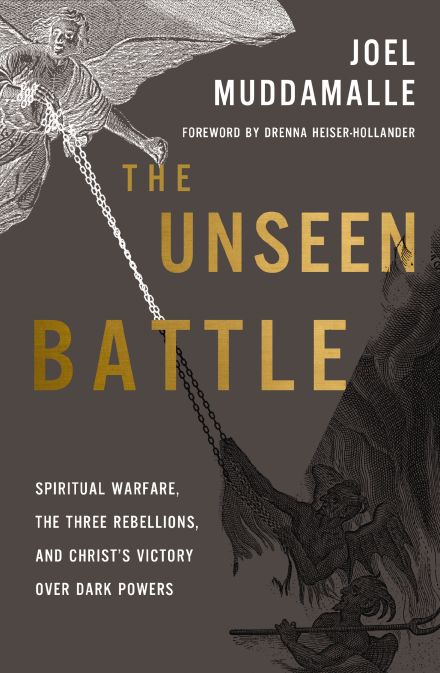
Joel Muddamalle discusses The Unseen Battle
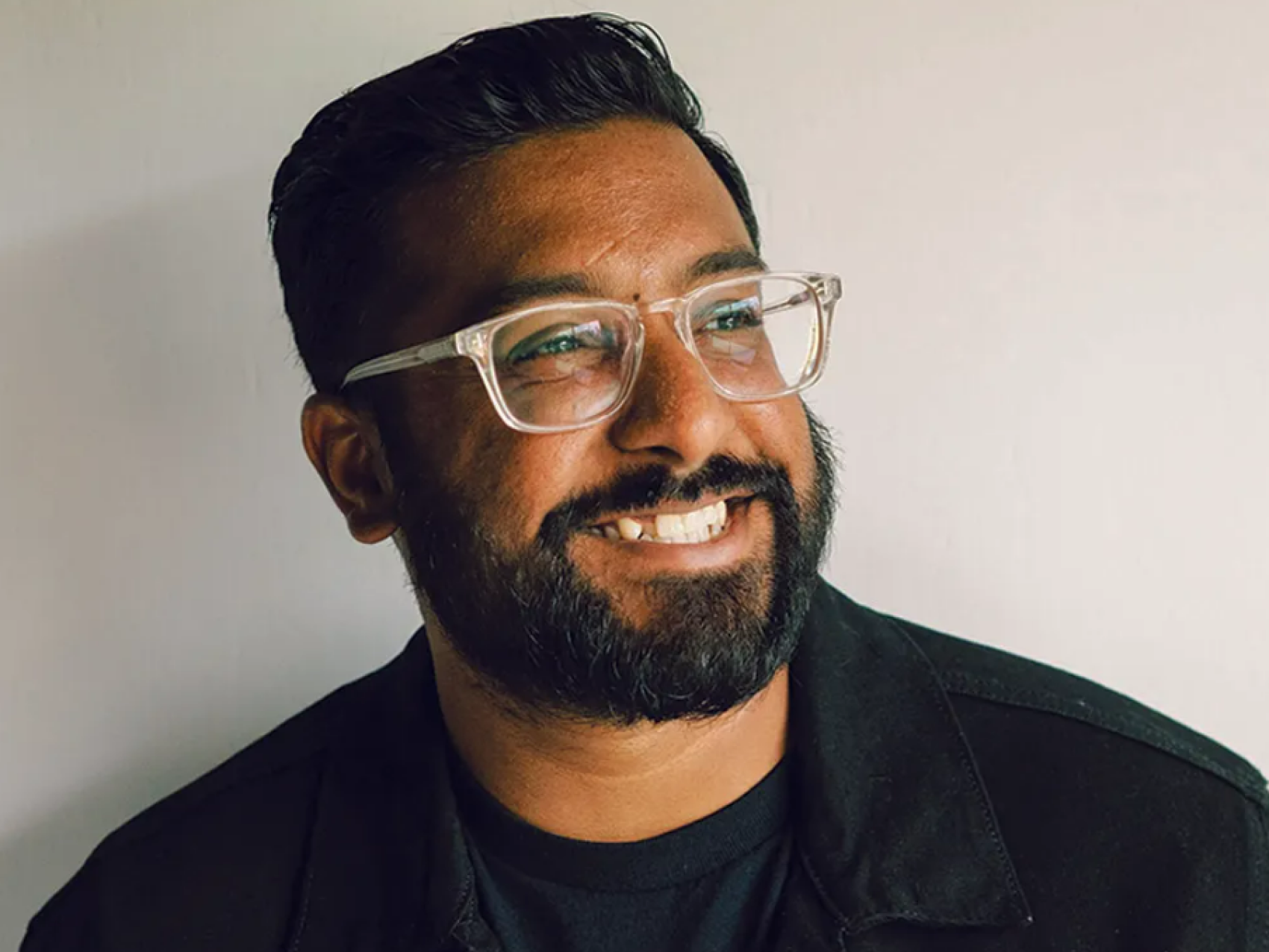
JOEL MUDDAMALLE holds a PhD in theology and serves as the director of theology and research at Proverbs 31 Ministries. He cohosts the Therapy & Theology podcast with Lysa TerKeurst and Licensed Professional Counselor Jim Cress. Joel is a frequent speaker for churches, conferences, and events. In 2024 he released his first book, The Hidden Peace. Based in Charlotte, North Carolina, Joel and his wife enjoy a full house with their four children and German Shepherd, Lady. Connect with Joel on Instagram at @muddamalle.
ZA: Your book deals with the spiritual battle that underlies the narrative of the Bible. What does this book add to the conversation?
JOEL MUDDAMALLE: When we think about spiritual warfare, we jump straight to the impact of the warfare. It’s like watching a war movie and skipping directly to the battle scenes. So much of the focus involves trying to figure out how we’re supposed to battle and participate in the war. But I worry we’ve overlooked the reason behind the battle. Ultimately, every battle has a prize, and the spiritual battle around us is no different.
In this book I take a biblical-theological approach to spiritual warfare, arguing for the cohesion of Scripture from the OT to the NT. Passages we often overlook—like Genesis 6 and the Nephilim—or a passage that may be more familiar like Genesis 11 and the Tower of Babel—all play a crucial role in the minds of the New Testament authors as they unpack spiritual warfare for us.
ZA: In the foreword, you thank Michael Heiser. In what ways does this book pay homage to his work?
JOEL MUDDAMALLE: I first met Mike when we both worked for Logos Bible Software. I remember reading his article on Psalm 82 and thinking, “This Dr. Heiser got this wrong. The ‘sons of God’ are human rulers.” I walked straight into his office—a young seminary student—and tried to challenge a Hebrew scholar on his life’s work. Mike could have easily dismantled my argument (and he eventually did!), but he started with a simple question: “Interesting, why do you think that, Joel?” I gave him my rehearsed argument and he said, “OK, but can you argue those points from the text?” Sadly, I couldn’t.
That began a long and fruitful journey into understanding the background and context of the Bible, specifically the Deuteronomy 32 worldview and the concept of the Divine Council. Passages in the Bible I often overlooked (Genesis 6:1-4) or neglected (the conquest passages of the Old Testament) came into clear focus. Years later, when I started my PhD work, I knew there was a connection between what Mike had worked on and Paul’s household terminology, especially the concept of the multi-ethnic family of God.
Mike always said he never had an original thought. In the same way, my thoughts are not original, but they are connected to Mike’s work with a particular focus on New Testament biblical theology. This is the book I always dreamed of co-authoring with Mike because it seems like a natural follow-up to his book, The Unseen Realm.
ZA: Your dissertation draws connections between Ephesians and the divine council. What are some of the intertestamental links you note?
JOEL MUDDAMALLE: When Paul speaks of supernatural beings, he’s not coming up with new terms disconnected from the Hebrew Bible. Also, Paul’s language is very precise. In Ephesians 1:21-23 (and also in Colossians), Paul outlines the supremacy of Christ over the “rulers, authorities, powers, and dominions.” There’s a hyperlink between these beings and Daniel 10, which presents supernatural beings involved in geo-political warfare among the nations. These supernatural beings are the same ones that come under judgment in Psalm 82, where they’re referred to as the “sons of God.” These “sons of God” are none other than the beings who were allotted to the nations as guardians and stewards in Deuteronomy 32:8-9 (read along with the DSS and LXX). And when were the nations first divided? That took place in Genesis 11 at the Tower of Babel.
As you can see, there’s a series of hyperlinks that connect the Greco-Roman world of the New Testament to the Ancient Near Eastern world of the Old Testament. These create the conceptual background of the biblical text, putting the unseen battle in focus for modern readers today.
Thank you! Sign up complete.